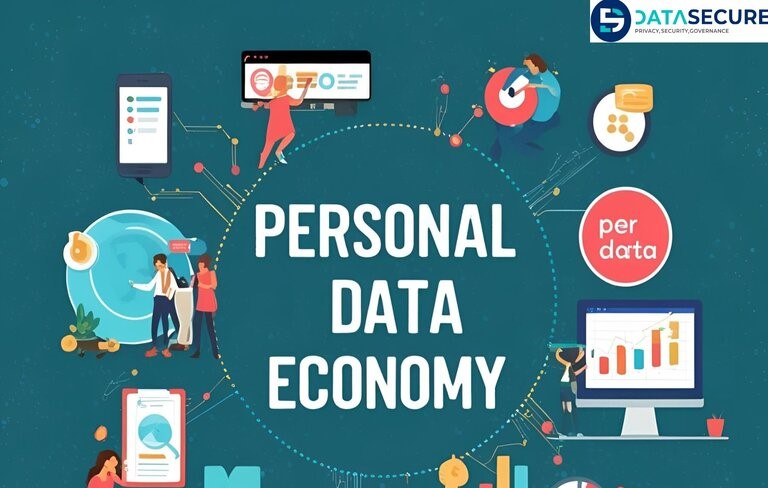
In 2017, the Economist magazine proclaimed that “the world’s most valuable resource is no longer oil, but data”. In this upcoming age where personal data has become a new and powerful currency, it's important to understand what lies behind it. With the increase in smartphones, social media, and other connected devices; companies and individuals create a massive amount of personal data daily. The data ranges from someone’s browsing history to biometric details. This data has not remained within the boundaries of a mere informational commodity but has crossed to become an economic commodity with a Billion-dollar market value. The Personal Data Economy is an emerging framework where individuals gain control over their data and can monetise it. This concept emphasises personal agency in the digital landscape, encouraging innovation and more equitable economic opportunities.
Key components of Personal Data Economy-
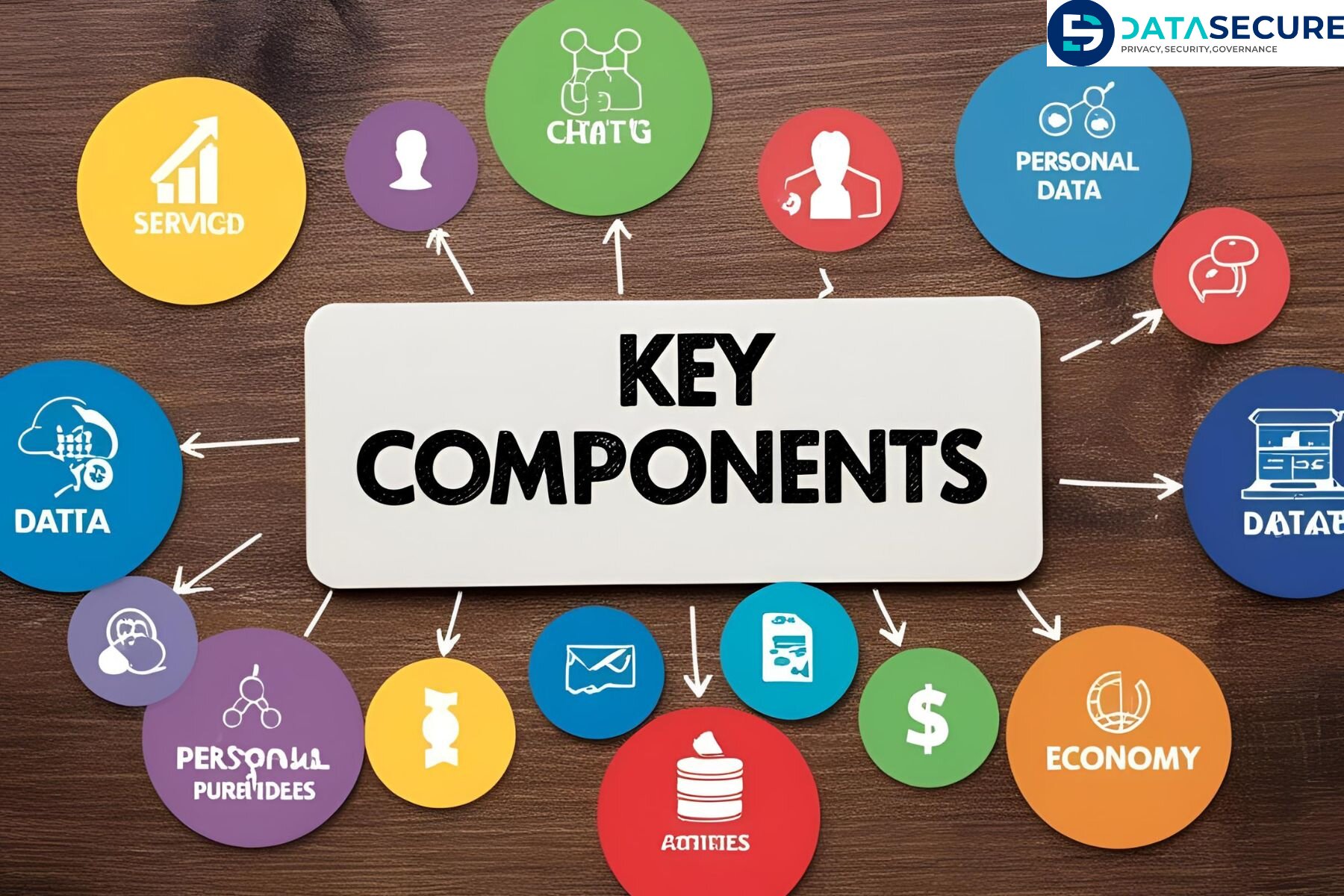
Personal Data Economy is built on several key components that shape its functioning as to how to is collected, used, and monetised. The key elements include:
- Monetization: Individuals can earn income from their personal data, by either selling access to their data or participating in data marketplaces or by contributing to platforms that offer rewards or services in exchange for data insights.
- Innovation: New platforms are being introduced to ensure that data is exchanged securely and ethically. Privacy-enhancing technologies (PETs), decentralised data storage solutions, and blockchain-based consent systems, these innovations empower users by maintaining their data and privacy.
- Transparency: Organisations that use personal information must be clear and open about their practices, which includes informing the users about what, how, and who is collecting the shared data.
- Ownership and Control: Users are recognized as the owners of their data, they have the legal right to and authority to decide what to share, with whom to share, and for how long to share that information. Mechanisms like consent, access request, and erasure are crucial to make sure users are in control.
- Privacy Considerations: Pay-for-privacy, a model that requires consumers to pay to prevent their data from being collected, ensures security in exchange for a fee.
Personal Data as a Commodity:
Personal data commodification refers to the process through which individuals’ personal information, ranging from their browsing habits and location data to their preferences and demographics, is transformed into a marketable commodity. This commodification is driven by the insatiable demand from companies, advertisers, and data brokers who recognise the goldmine that our data represents. Personal data is intangible; unlike physical data, it is also reproducible and non-rivalrous. It can be used repeatedly by different parties without being depleted. The personal data is collected through digital interactions like app usage, social media activity, and web browsing, which is then sold or used to generate revenue in billions via profiling, algorithmic predictions, etc. AI firms, data brokers, and tech companies participate in the selling and buying of personal data, more often without the data subject’s full understanding or consent. Their data brings billions in revenue through targeted ads, customer insights, and behavioural prediction. Companies like Google, Facebook, and Amazon have built billion-dollar empires by leveraging personal data to offer customised services and advertisements.
What data do we give away?
From unlocking phones with a fingerprint to shopping online or scrolling through applications, every interaction adds to a growing pool of information about who, what, and where we are. This valuable data, which we share for convenience, also raises significant concerns about our privacy and autonomy. One of the most shared categories of data is identity data. It includes basic personal information like our full name, age, address, contact information, government-issued ID, etc. While being essential for authentication, this data becomes highly sensitive when aggregated or leaked, increasing the risk of security and privacy. Another category of data is behavioural data, which is generated continuously while we interact with websites and applications. Each search we make, link we click, video we watch, or item we purchase contributes to a detailed behavioural profile. Companies and data brokers analyze this data to predict your interests and influence what content and ads you are shown. Not just smartphones, even our software installations on PCs often come with privacy implications. This lack of awareness is the key factor in the commodification of our data.
Risks of Data as a Commodity:
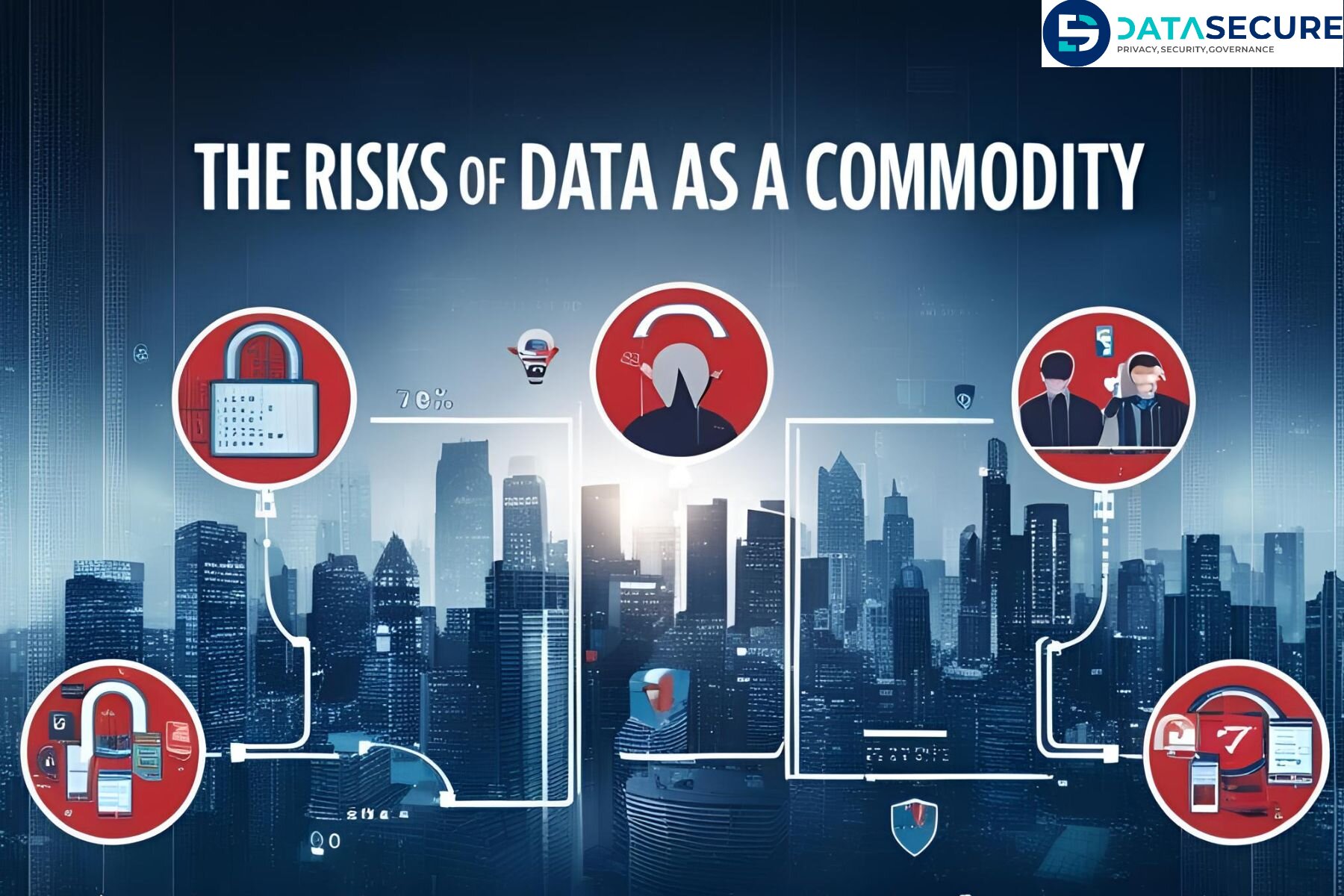
- Invasion of privacy and the risk of personal freedom: Risk of privacy, the most pressing concern in data as a commodity. Individuals are often unaware of how much data they are exposing or to what extent they are exposing, leading to a phenomenon known as surveillance capitalism, where an individual's experience turns into material for commercial exploitation.
- Identity theft and fraud: Personal data, if exposed or leaked, could be used for many illegal and fraudulent purposes. Criminals can open credit accounts and make fraudulent purchases, financially putting victims at huge risk.
- Data breaches and cyberattacks: Regular monitoring and analysis of personal data leads to a chilling effect on our privacy and personal freedom. Our every move being tracked can stifle individual expression and limit our activities online.
- The surveillance society: As companies and individuals collect more data, they gain more power to manipulate us. This can happen in the form of targeted advertising which is designed to exploit our vulnerabilities or influence our opinions. The rise of the surveillance society, where each and every individual’s action is being monitored and monetized, poses a significant threat.
Rewards of Data as a Commodity:
The commodification of personal data empowers the digital economy. For businesses, personal data enables efficient marketing strategies and predictive analytics. Big companies like Google, Facebook, and Amazon have built billion-dollar empires by leveraging personal data to offer customised services and advertisements. This creates economic value not only for corporations but also for advertisers, developers, and third-party service providers.
- Improved Decision-Making: User personal data not only empowers companies but also the users to make better decisions. With access to insights from fitness trackers, budgeting apps, or health monitoring tools, people can track their habits, set goals, and adjust behaviours for improved well-being and productivity. On a much larger scale, businesses use analytics to anticipate trends, fine-tune marketing campaigns, and target personalised ads.
- Economic Opportunities for Individuals: Platforms that operate on a ‘data-as-labour’ model, as awareness around data ownership is growing, compensate users for sharing insights. This shifts the traditional model where only the companies used to profit from user data.
- Personalized Services: Enhancement of user experience through personalization is one of the most enjoyed benefits of commodified personal data. Organizations that feed upon personal data as a commodity analyze user behavior to deliver customized content and recommendations.
- Innovation and Technological Growth: The aggregation of large-scale personal data has fueled groundbreaking innovations across various sectors. In healthcare, for example, patient data is used to develop predictive models for disease detection, improve diagnostics, and personalise treatment plans. In transportation, real-time location data improves traffic management and urban planning. As more data becomes available, it continues to drive technological advancement and digital transformation. This serves as one of the most important benefits of personal data as a commodity.
Legal and Ethical Considerations in the Personal Data Economy
The personal data economy raises complex legal and ethical considerations, particularly around consent, ownership, stewardship, and fundamental rights. Obtaining informed and freely given consent in data-driven environments is increasingly challenging, as individuals often face opaque data practices and lengthy privacy policies that obscure how their information is used. Robust data governance frameworks and clear consent mechanisms are necessary to ensure transparency, allowing individuals meaningful control over their personal data. However, the reality is that many users may not fully understand or have the genuine freedom to withhold consent, especially when digital services are essential for daily life.
A central debate in the personal data economy concerns whether individuals should own their data or merely control access to it. Some argue that granting ownership rights could empower individuals to commercialise their data and address data inequalities. However, others caution that treating data as property can introduce legal and practical complications, such as overlapping interests and the risk of vulnerable individuals selling their data, which could exacerbate existing inequalities. Instead, emerging frameworks like data fiduciaries and stewardship models propose that entities handling personal data should have fiduciary responsibilities, acting in the best interests of data subjects. Data trusts and cooperatives are examples of such models, aiming to collectively steward data and negotiate its use on behalf of individuals.
Underlying these debates are significant human rights concerns. The commodification of personal data intersects with fundamental rights such as privacy, freedom of expression, and equality. Inadequate data protection can lead to exploitation, discrimination, and loss of autonomy, undermining trust in digital ecosystems and threatening the foundation of democratic societies. As the personal data economy evolves, balancing innovation with robust legal and ethical safeguards is crucial to ensure that individual rights are respected and protected.
The way forward

In order to build a fairer and more secure personal data economy, strict personal data laws, such as India’s Digital Personal Data Protection (DPDP) Act, 2023, and the principles of European Union’s General Data Protection Regulation (GDPR), must be implemented effectively, giving users rights over their data. Companies must practice transparency and seek informed consent, while also enabling users to own and monetise their data ethically. Promoting privacy-focused technologies, raising public awareness through digital literacy, and encouraging global cooperation are key steps. Individuals, too, must take an active role in protecting their data, which includes advocating for privacy rights, making conscious choices about data sharing, and staying informed about data practices. A balanced, human-centric approach will ensure innovation thrives without compromising individual privacy or autonomy. The way forward lies in reimagining the data economy not merely as a marketplace of information but as a shared digital ecosystem built on trust, accountability, and fairness.
Conclusion
The commodification of personal data is a double-edged sword. While it propels economic growth, enhances user experiences, and fosters innovation, it also poses serious threats to privacy, autonomy, and fairness. The challenge lies in striking a balance between harnessing the potential of data and protecting individual rights. As we navigate this evolving landscape, ethical stewardship, robust regulation, and technological innovation must work in tandem to ensure that the personal data economy is inclusive, transparent, and just.
We at Data Secure (www.datasecure.ind.in) can help you to understand EU GDPR and its ramifications and design a solution to meet compliance and the regulatory framework of EU GDPR and avoid potentially costly fines.
We can design and implement RoPA, DPIA and PIA assessments for meeting compliance and mitigating risks as per the requirement of legal and regulatory frameworks on privacy regulations across the globe especially conforming to GDPR, UK DPA 2018, CCPA, India Digital Personal Data Protection Act 2023. For more details, kindly visit DPO India – Your outsourced DPO service (dpo-india.com).
For any demo/presentation of solutions on Data Privacy and Privacy Management as per EU GDPR, CCPA, CPRA or India DPDP Act 2023 and Secure Email transmission, kindly write to us at info@datasecure.ind.in or dpo@dpo-india.com.
For downloading the various Global Privacy Laws kindly visit the Resources page in Resoures of DPO India – Your Outsourced DPO Partner in 2025.
We serve as a comprehensive resource on the Digital Personal Data Protection Act, 2023 (DPDP Act), India's landmark legislation on digital personal data protection. It provides access to the full text of the Act, the Draft DPDP Rules 2025, and detailed breakdowns of each chapter, covering topics such as data fiduciary obligations, rights of data principals, and the establishment of the Data Protection Board of India. For more details, kindly visit DPDP Act 2023 – Digital Personal Data Protection Act 2023 & Draft DPDP Rules 2025
We provide in-depth solutions and content on AI Risk Assessment and compliance, privacy regulations, and emerging industry trends. Our goal is to establish a credible platform that keeps businesses and professionals informed while also paving the way for future services in AI and privacy assessments. To Know More, Kindly Visit – AI Nexus Home | AI-Nexus